Etiology
- Dengue virus (DENV), belonging to the genus Flavivirus (family Flaviviridae),
- exists as four distinct serotypes: DENV-1, DENV-2, DENV-3, and DENV-4.
- Positive-sense single-stranded RNA virus (ssRNA+)
- Encodes 7 non-structural proteins: NS1, NS2A, NS2B, NS3, NS4A, NS4B, NS5
Pathogenesis
- 1. PRIMARY INFECTION – BASIC IMMUNE RESPONSE
- 2. SECONDARY INFECTION – ANTIBODY DEPENDENT ENHANCEMENT (ADE)
- 3. CYTOKINE STORM / IMMUNOPATHOLOGY
- 4. ROLE OF NS1 PROTEIN
- 5. ENDOTHELIAL DYSFUNCTION – CORE MECHANISM
- 6. COAGULOPATHY AND BLEEDING
- 7. ORGAN INVOLVEMENT
- 8. CRITICAL PHASE MECHANISM (DAY 3–6)
Symptoms
- 1. FEBRILE PHASE (Day 1–3)
- 2. CRITICAL PHASE (Day 3–6) – When fever starts to decline
- 3. RECOVERY PHASE (Day 6–10)
- 4. WARNING SYMPTOMS (Predict severe dengue)
- 5. OTHER ASSOCIATED SYMPTOMS
Signs
- 1. GENERAL APPEARANCE
- • Ill-looking, toxic appearance in severe cases
- 3. VITAL SIGNS – HIGH YIELD
- • Narrow pulse pressure (<20 mmHg) = early shock
- • Tachycardia with cool extremities
- • Hypotension – late sign (dangerous, not early)
- • Rapid, shallow breathing (metabolic acidosis)
- • High fever initially; temperature may suddenly drop in critical phase
Investigations
- • Platelets start falling from Day 3–5.
- • Lowest around Day 5–7.
- 2. NS1 ANTIGEN TEST (VERY HIGH YIELD)
- 3. IgM AND IgG SEROLOGY
- 4. LIVER FUNCTION TESTS (LFT)
- • Very high levels suggest severe disease or hepatic involvement.
- 5. COAGULATION PROFILE
- • High D-dimer in plasma leakage.
Differential Diagnosis
No key-points marked yet. Add lines like *Important point* in this section.
Complications
No key-points marked yet. Add lines like *Important point* in this section.
Treatment
No key-points marked yet. Add lines like *Important point* in this section.
Serotypes / Subtypes
No key-points marked yet. Add lines like *Important point* in this section.
Notes / Teaching points
No key-points marked yet. Add lines like *Important point* in this section.
Other
No key-points marked yet. Add lines like *Important point* in this section.
DENGUE – COMPLICATIONS
Dengue complications occur mainly during the critical phase (Day 3–6) due to plasma leakage, coagulopathy, and organ dysfunction. Severe dengue is defined by WHO as any of the following: severe plasma leakage, severe bleeding, or severe organ impairment.
=====================================================
1. SEVERE PLASMA LEAKAGE
=====================================================
Plasma leakage leads to:
• Hemoconcentration (↑HCT)
• Narrow pulse pressure (<20 mmHg)
• Hypotension (late sign)
• Cold clammy skin
• Capillary refill >3 seconds
• Tachycardia
• Shock (Dengue Shock Syndrome)
Fluid accumulation:
• Pleural effusion
• Ascites
• Gallbladder wall edema (ultrasound)
• Pulmonary congestion in late stages
=====================================================
2. DENGUE HEMORRHAGIC FEVER (DHF)
=====================================================
Classical DHF criteria:
• Fever 2–7 days
• Hemorrhagic manifestations:
– petechiae, ecchymosis, gum bleed, epistaxis
– GI bleed (hematemesis, melena)
• Thrombocytopenia (<100,000)
• Evidence of plasma leakage:
– ↑HCT (>20% from baseline)
– pleural effusion / ascites
DHF Grades:
• Grade I: +ve tourniquet test only
• Grade II: Spontaneous bleeding
• Grade III: Circulatory failure (weak pulse, narrow PP)
• Grade IV: Dengue Shock Syndrome (unmeasurable BP)
=====================================================
3. DENGUE SHOCK SYNDROME (DSS) – EMERGENCY
=====================================================
Caused by severe plasma leakage → intravascular depletion.
Signs:
• Narrow pulse pressure (<20 mmHg)
• Rapid, thready pulse
• Cold extremities
• Delayed capillary refill
• Altered mental status
• Hypotension (late)
Shock may develop suddenly and requires **immediate fluid resuscitation**.
=====================================================
4. SEVERE BLEEDING
=====================================================
Mechanisms:
• Thrombocytopenia
• Platelet dysfunction
• Prolonged PT/aPTT
• Liver dysfunction
• Capillary fragility
• NSAID use
Types of bleeding:
• Gum bleeding
• Epistaxis
• Menorrhagia
• GI bleeding (hematemesis, melena)
• Hematuria
• Bleeding from venipuncture sites
• Rare: intracranial hemorrhage
Risk factors for severe bleeding:
• Elderly
• Pregnancy
• Secondary dengue
• Peptic ulcer, liver disease
• Very high liver enzymes
=====================================================
5. SEVERE ORGAN IMPAIRMENT
=====================================================
A. **Liver Failure**
• AST/ALT > 1000 suggest severe hepatic involvement
• Coagulopathy (↑PT/INR)
• Encephalopathy may occur
B. **Acute Kidney Injury (AKI)**
• Usually prerenal (hypoperfusion)
• May progress to intrinsic AKI in severe cases
• Monitor creatinine and urine output carefully
C. **Cardiac Involvement**
• Myocarditis (rare)
• Bradycardia or arrhythmias
• Elevated troponin occasionally
D. **Neurological**
• Encephalopathy
• Seizures (usually due to hepatic failure or shock)
• Very rare: Guillain–Barré, meningitis
=====================================================
6. RESPIRATORY COMPLICATIONS
=====================================================
• Pleural effusion (common in severe dengue)
• Pulmonary edema (fluid overload or late phase leak)
• Respiratory distress requiring oxygen support
=====================================================
7. METABOLIC COMPLICATIONS
=====================================================
• Severe metabolic acidosis (shock)
• Hypocalcemia
• Hyponatremia (common; linked to vomiting or SIADH)
• Hypokalemia/hyperkalemia in AKI
=====================================================
8. COMPLICATIONS IN SPECIAL POPULATIONS
=====================================================
A. **Children**
• Less early warning symptoms
• More sudden onset of shock
• Higher risk of capillary leak
B. **Pregnancy**
• Increased risk of bleeding
• Preterm labor
• Severe plasma leakage more common
C. **Elderly**
• More severe bleeding
• Higher mortality risk
=====================================================
9. LATE PHASE COMPLICATIONS (RECOVERY PHASE)
=====================================================
• Re-expansion pulmonary edema (if excess fluids given)
• Itchy convalescence rash
• Fatigue lasting 2–4 weeks (“post-dengue fatigue syndrome”)
=====================================================
BOTTOM LINE (HIGH-YIELD)
=====================================================
• Severe dengue is mostly due to plasma leakage + coagulopathy.
• Shock can occur even with relatively normal platelet counts.
• Falling platelets + rising HCT = plasma leakage.
• Falling platelets + falling HCT = internal bleeding.
• Most complications occur when fever subsides (Day 3–6).
DIFFERENTIAL DIAGNOSIS OF DENGUE
Several tropical infections present with fever, myalgia, and headache. Differentiation is based on onset, pain pattern, rash, CBC features, and organ involvement.
=========================================================
1. DENGUE vs CHIKUNGUNYA
=========================================================
| Feature | Dengue | Chikungunya |
|-----------------------|----------------------------------------|---------------------------------------|
| Fever | High, sudden | High, sudden |
| Joint pain | Mild–moderate | Severe, disabling (“stooped walk”) |
| Rash | “White islands in red” during recovery| More diffuse maculopapular rash |
| Bleeding tendency | Common (DHF/DSS) | Rare |
| Platelets | Markedly low | Mildly reduced or normal |
| WBC | Marked leukopenia | Mild leukopenia |
| Chronic symptoms | No chronic arthritis | Chronic arthritis for months |
| Critical phase | Yes (Day 3–6) | Absent |
Clue: **Severe joint pain → think Chikungunya.**
Clue: **Bleeding + abdominal pain → Dengue.**
=========================================================
2. DENGUE vs TYPHOID FEVER
=========================================================
| Feature | Dengue | Typhoid |
|-----------------------|----------------------------------------|-----------------------------------------|
| Fever pattern | Sudden, high | Step-ladder or continuous |
| Rash | Transient, mottled | Rose spots (rare) |
| GI symptoms | Vomiting common | Abdominal pain + constipation/diarrhea |
| WBC | Leukopenia | Relative bradycardia (Faget sign) |
| Pulse | Tachycardia | Pulse–temperature dissociation |
| Hepatomegaly | May occur | Common |
| Bleeding | Possible | Rare |
Clue: **Step-ladder fever + constipation → Typhoid.**
Clue: **High fever + myalgia + rash + dropping platelets → Dengue.**
=========================================================
3. DENGUE vs MALARIA
=========================================================
| Feature | Dengue | Malaria |
|-----------------------|----------------------------------------|--------------------------------------|
| Fever pattern | Continuous high fever | Intermittent (chills & rigors) |
| Headache | Severe retro-orbital | Frontal, dull |
| Platelets | Low (Day 3–6) | Low (often very low) |
| Anemia | Mild | Marked anemia |
| Hepatosplenomegaly | Mild | Prominent |
| Bleeding | Possible | Rare |
| Severe illness | DHF/DSS | Cerebral malaria, renal failure |
Clue: **Alternating fever with chills + splenomegaly → Malaria.**
Clue: **Retro-orbital pain + rash → Dengue.**
=========================================================
4. DENGUE vs LEPTOSPIROSIS
=========================================================
| Feature | Dengue | Leptospirosis |
|-----------------------|----------------------------------------|--------------------------------------|
| Exposure | Mosquito bites | Dirty water, rodents |
| Myalgia | Diffuse | Severe calf tenderness |
| Jaundice | Rare (except severe dengue) | Common in severe cases (Weil’s) |
| Kidney involvement | Mild | Prominent (AKI is common) |
| Conjunctival suffusion| Uncommon | Classic sign |
Clue: **Severe calf pain + jaundice + AKI → Leptospirosis.**
Clue: **Rash + leukopenia + thrombocytopenia → Dengue.**
=========================================================
5. DENGUE vs INFLUENZA
=========================================================
| Feature | Dengue | Influenza |
|-----------------------|----------------------------------------|--------------------------------------|
| Onset | Sudden, high fever | Sudden, moderate to high |
| Body pain | Severe | Moderate |
| Rash | Common | Rare |
| Platelets | Drop significantly | Usually normal |
| Respiratory symptoms | Minimal | Cough, sore throat prominent |
Clue: **Cough + sore throat prominent → Influenza.**
=========================================================
6. KEY DIFFERENTIAL SIGNS AT BEDSIDE
=========================================================
• Abdominal pain → Dengue, not chikungunya
• Severe joint pain → Chikungunya
• Chills + rigors → Malaria
• Step-ladder fever → Typhoid
• Calf tenderness + jaundice → Leptospirosis
• Retro-orbital pain → Dengue
• Rash with “white islands” → Dengue recovery phase
• Bleeding tendency + falling platelets → Dengue
=========================================================
BOTTOM LINE (HIGH-YIELD)
=========================================================
• Dengue = fever + myalgia + rash + leukopenia + thrombocytopenia + warning signs.
• Chikungunya = severe joint pain; no warning phase.
• Typhoid = step-ladder fever + abdominal symptoms.
• Malaria = periodic fever + splenomegaly + anemia.
• Leptospirosis = jaundice + AKI + calf pain.
Dengue virus (DENV), belonging to the genus Flavivirus (family Flaviviridae),
exists as four distinct serotypes: DENV-1, DENV-2, DENV-3, and DENV-4.
Positive-sense single-stranded RNA virus (ssRNA+)
• Genome length ~ 10.7–11 kb
• Enveloped virus with icosahedral nucleocapsid
• Encodes 3 structural proteins:
• C (capsid)
• prM/M (membrane)
• E (envelope glycoprotein – major antigen)
Encodes 7 non-structural proteins: NS1, NS2A, NS2B, NS3, NS4A, NS4B, NS5
• Replicates in cytoplasm
• NS1 is secreted and used in diagnostic tests
• Envelope (E protein) mediates receptor binding, fusion, neutralization
References
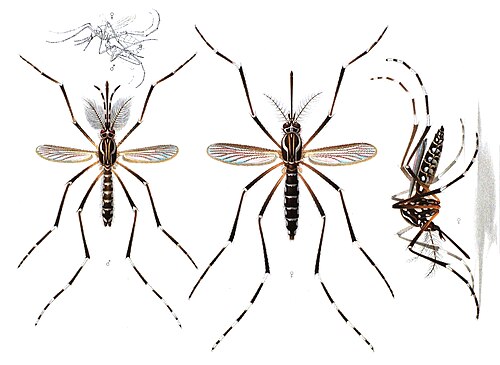
Ardes Mosquito
Dr Ssnksrsn • 2025-11-17 15:28:47
PDF
emerging-abovirusesapril-2024
Dr Sankaran • 2025-11-16 10:28:05
DENGUE – LABORATORY INVESTIGATIONS
1. COMPLETE BLOOD COUNT (CBC) – MOST IMPORTANT
2. NS1 ANTIGEN TEST (VERY HIGH YIELD)
3. IgM AND IgG SEROLOGY
=====================================================
*1. COMPLETE BLOOD COUNT (CBC) – MOST IMPORTANT
=====================================================
A. HEMATOCRIT (HCT)
• Rising HCT = ongoing plasma leakage (critical phase).
• Falling HCT after fluids = correction of shock.
• Falling HCT with unstable vitals = internal bleeding.
B. PLATELET COUNT
• Platelets start falling from Day 3–5.
• Lowest around Day 5–7.
• A single platelet value does NOT indicate severity.
• Trend is more important than absolute value.
C. WHITE BLOOD CELL COUNT
• Leukopenia (WBC < 4000) is common.
• Neutropenia may occur.
• Lymphocytosis in recovery.
=====================================================
2. NS1 ANTIGEN TEST (VERY HIGH YIELD)
=====================================================
• Best test for early diagnosis.
• Detects viral protein (NOT antibody).
• Sensitivity highest Day 1–5 of fever.
• Stays positive even if IgM is still negative.
Interpretation:
• NS1 positive + high fever = Acute dengue.
• NS1 negative after Day 6 = expected; use IgM instead.
=====================================================
3. IgM AND IgG SEROLOGY
=====================================================
A. IgM ANTIBODY
• Appears on Day 4–5.
• Peaks at Week 2.
• Stays positive for 2–3 months.
B. IgG ANTIBODY
• Appears after Day 7 in primary infection.
• Very high levels early suggest **secondary infection**.
Secondary dengue clue:
• IgG high on Day 1–2 with mild or absent IgM.
• Secondary dengue has higher risk of severe complications (ADE).
=====================================================
4. LIVER FUNCTION TESTS (LFT)
=====================================================
• AST/ALT moderately elevated.
• AST usually higher than ALT.
• Very high levels suggest severe disease or hepatic involvement.
=====================================================
5. COAGULATION PROFILE
=====================================================
• PT and aPTT may be prolonged.
• Decreased fibrinogen in severe dengue.
• High D-dimer in plasma leakage.
=====================================================
6. RENAL FUNCTION TESTS (RFT)
=====================================================
• Urea/creatinine may rise due to dehydration or AKI.
• Electrolyte abnormalities common (especially in vomiting).
=====================================================
7. ULTRASOUND ABDOMEN / CHEST
=====================================================
Useful in critical phase:
• Gallbladder wall edema (early sign of plasma leakage)
• Hepatomegaly
• Ascites
• Pleural effusion (usually right-sided)
=====================================================
8. URINALYSIS
=====================================================
• Proteinuria
• Hematuria (microscopic or gross)
• Concentrated dark urine = poor perfusion
• Good urine output = adequate perfusion
=====================================================
9. HEMATOCRIT–PLATELET TREND (CRITICAL INTERPRETATION)
=====================================================
• HCT ↑ + Platelets ↓ = Plasma leakage → high risk
• HCT ↓ + Platelets ↓ = Bleeding (internal) → danger
• HCT ↓ + Patient improving + Platelets stable = Recovery
=====================================================
10. IMPORTANT TIMING SUMMARY (SUPER HIGH-YIELD)
=====================================================
Day 1–3:
NS1 positive
CBC → WBC low, platelets normal
Day 3–6 (critical phase):
NS1 weak or negative
IgM starting to appear
Platelets fall
HCT rising
Day 6–10 (recovery phase):
IgM strongly positive
IgG appears
Platelets rising
HCT normalizing
Diuresis increases
=========================================
NOTES FOR STUDENTS – HIGH-YIELD POINTS
=========================================
• The most dangerous period is NOT when fever is high.
Severe dengue occurs during defervescence (Day 3–6).
• Worsening symptoms + falling fever suggest critical phase.
• Platelet count alone does NOT predict severity.
HCT rising + platelets falling = plasma leakage.
• Most consistent early warning signs:
- persistent vomiting
- severe abdominal pain
- sudden restlessness or lethargy
- mucosal bleeding
- hepatomegaly
- fluid accumulation (pleural effusion, ascites)
• Children and adolescents may show fewer early symptoms but can deteriorate suddenly.
• Myalgia, retro-orbital pain, and rash are classical but NOT required for diagnosis.
• Improvement in appetite is one of the earliest signs of recovery.
• Patients with previous dengue infection are at higher risk of severe dengue due to Antibody Dependent Enhancement (ADE).
• NSAIDs (ibuprofen, diclofenac) should be avoided due to bleeding risk.
Paracetamol is safe for fever and pain.
• Monitor for:
- urine output (most sensitive indicator of perfusion)
- abdominal girth (ascites)
- pulse pressure (narrowing indicates shock)
• “Islands of white in a sea of red” rash appears during recovery, reassuring sign.
• Sudden dizziness or fainting at home may indicate onset of dengue shock syndrome.
• Severe dengue can occur even with platelet count >100,000.
=========================================
BOTTOM LINE
=========================================
Dengue is a dynamic disease. Assess the trend, not a single value.
[ Normal Urine Output
Adults: >0.5 mL/kg/hour
Children: >1.0 mL/kg/hour
Infants: >1.5 mL/kg/hour
:::0.5 mL × 60 = 30 mL/hour minimum acceptable output ]
Warning values
--------------
<0.5 mL/kg/hr → inadequate perfusion
<0.3 mL/kg/hr → impending shock
Anuria (0 mL/hr) → critical emergency
---------------------
– Ask patient to pass urine in a calibrated measuring jar
– Record time and volume
– Calculate hourly output
NOTES FOR STUDENTS – INVESTIGATIONS
• Platelet count does NOT correlate with severity.
• HCT trend is more important than platelet value.
• Dengue shock can occur with platelets above 100,000.
• NS1 is the best test in the first 5 days.
• Secondary dengue shows very early IgG rise.
• Gallbladder wall edema on ultrasound strongly suggests dengue.
NOTES FOR STUDENTS: FLUIDS
• Dengue shock occurs during defervescence—NOT when fever is high.
• Overhydration is as dangerous as dehydration.
• Rapid HCT rise = leakage → give fluids.
• Falling HCT + shock = internal bleeding → give blood, not fluids.
• Monitor urine output: ≥0.5 mL/kg/hr indicates good perfusion.
• NSAIDs can cause catastrophic bleeding—strictly avoid.
References
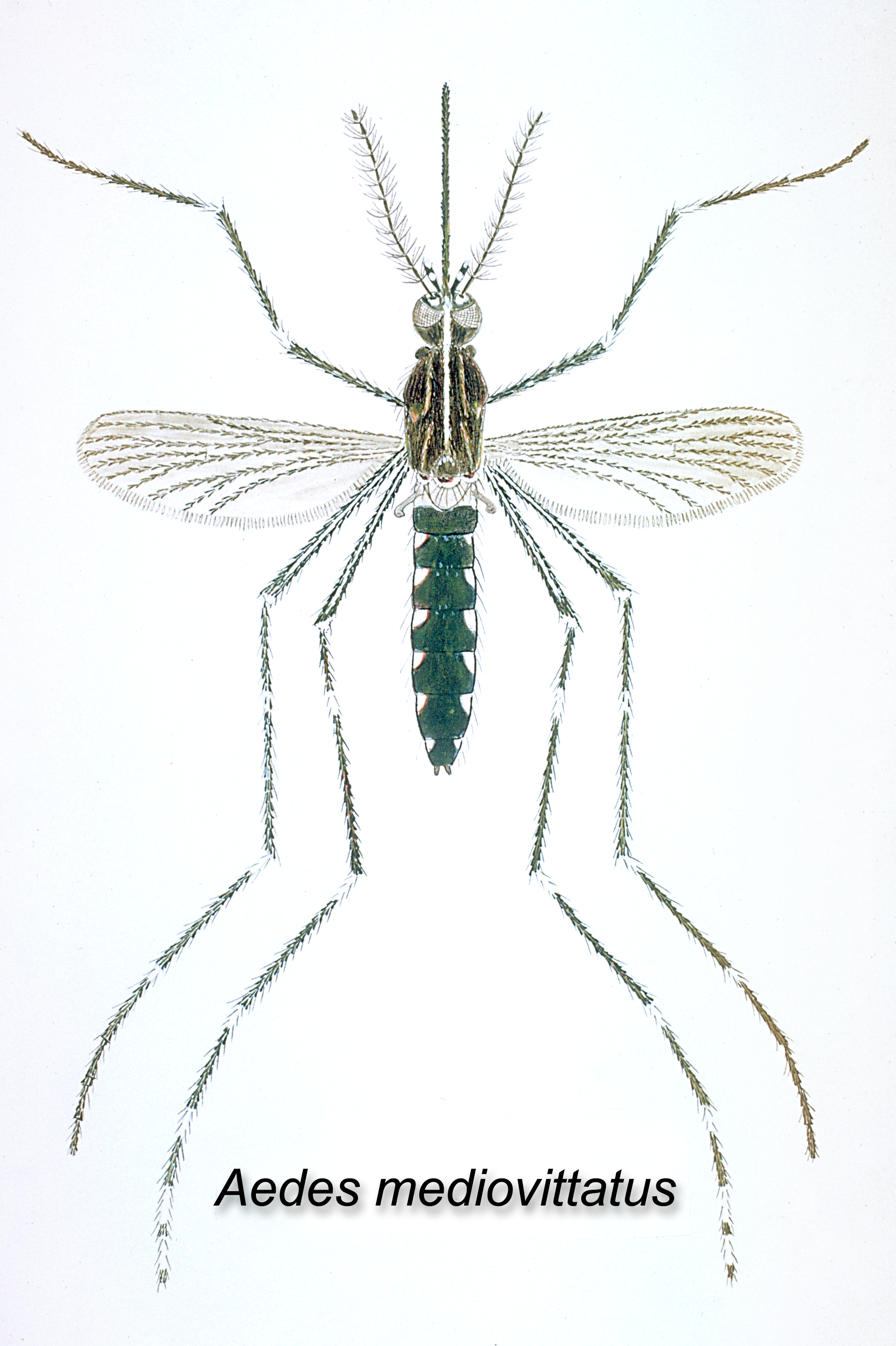
CDC (https://phil.cdc.gov/Details.aspx?pid=2027)
2025-11-24 13:34:32
BLOOD IN URINE (HEMATURIA)
Hematuria is not extremely common, but when it appears, it indicates:
🔴 Warning or severe dengue
Possible mechanisms:
1. Thrombocytopenia → bleeding from urinary tract
2. Coagulopathy (prolonged PT/aPTT) → microscopic or gross bleeding
3. Severe hepatic involvement → synthetic dysfunction → bleeding tendency
4. Renal involvement (rare) → glomerular injury → microscopic hematuria
5. Shock-related acute kidney injury
Types:
• Microscopic hematuria → only seen in urine microscopy
• Macroscopic hematuria → reddish or cola-colored urine
Important point for students:
Hematuria can appear even if platelet count is not extremely low — clinical context matters more.
HIGH URINE OUTPUT (DIURESIS)
This occurs in the recovery phase.
Indicates:
• Fluid is reabsorbing from extravascular space
• Capillary permeability normalizing
• Improvement in vascular stability
Patients often pass large amounts of urine over 1–2 days.
This is a good sign.
EXPLANATION OF MOSQUITO REPELLENTS:
1. DEET (N,N-diethyl-meta-toluamide)
• Gold-standard mosquito repellent.
• 20–30% concentration is ideal for dengue areas.
• Highly effective against Aedes mosquitoes.
• Safe for children >2 months and pregnant women.
• Works by interfering with mosquito olfactory receptors.
2. PICARIDIN (also called Icaridin or KBR 3023)
• Effectiveness equal to DEET but more cosmetically acceptable.
• Odorless, non-greasy, less skin irritation.
• 20% concentration provides strong protection for 6–8 hours.
• Safe for children >2 years.
3. IR3535 (Ethyl butylacetylaminopropionate)
• Used widely in Europe.
• Mild on the skin, good safety profile.
• Protects against Aedes mosquitoes but slightly shorter duration than DEET/Picaridin.
• Safe for infants >6 months.
4. PMD (Para-menthane-3,8-diol)
• Active component derived from oil of lemon eucalyptus.
• Effective natural-based repellent.
• Should NOT be used in children <3 years.
• 20–30% PMD gives protection comparable to low-concentration DEET.
APPLICATION INSTRUCTIONS:
• Apply to all exposed skin (arms, legs, neck, ankles).
• Do NOT apply under clothing or on cuts/broken skin.
• Reapply every 4–6 hours, or more often if sweating heavily.
• When using sunscreen:
– Apply sunscreen first.
– Apply repellent after 10 minutes.
DENGUE – PATHOGENESIS
Dengue pathogenesis is driven by a combination of viral factors, host immune response, and vascular endothelial dysfunction. Severe dengue develops due to immune-enhanced viral entry, cytokine storm, and capillary leakage.
=====================================================
1. PRIMARY INFECTION – BASIC IMMUNE RESPONSE
=====================================================
• After mosquito inoculation, the virus infects:
– dendritic cells
– macrophages
– monocytes
• Viral replication occurs in lymph nodes and blood.
• Innate immunity triggers interferons and cytokines.
• Adaptive immunity produces:
– IgM (day 4–5)
– IgG (later)
Primary infection usually causes classic dengue fever.
=====================================================
2. SECONDARY INFECTION – ANTIBODY DEPENDENT ENHANCEMENT (ADE)
=====================================================
• Non-neutralizing IgG antibodies from a previous dengue infection
bind to the new serotype but fail to neutralize it.
• These antibody–virus complexes enhance viral entry into
Fc receptor-bearing cells (macrophages).
• This leads to:
– higher viral load
– more immune activation
– more cytokine release
– increased vascular permeability
ADE is the major reason secondary dengue has a higher risk of severe disease.
=====================================================
3. CYTOKINE STORM / IMMUNOPATHOLOGY
=====================================================
Excessive immune activation produces high levels of cytokines:
• TNF-α
• IL-6
• IL-8
• IFN-γ
• soluble NS1 protein (triggers complement)
• other inflammatory mediators
Effects of cytokine storm:
• endothelial activation and dysfunction
• increased vascular permeability
• plasma leakage into pleura and peritoneum
• hypotension and shock
• hemoconcentration (↑HCT)
=====================================================
4. ROLE OF NS1 PROTEIN
=====================================================
NS1 (nonstructural protein 1) is central to severe dengue:
• Secreted into blood in high amounts.
• Binds and damages endothelial glycocalyx.
• Activates complement system.
• Triggers inflammatory pathways.
Results:
• capillary leak
• vascular fragility
• microhemorrhages
• coagulopathy
=====================================================
5. ENDOTHELIAL DYSFUNCTION – CORE MECHANISM
=====================================================
• Endothelial cells become “leaky.”
• Plasma escapes into:
– pleural cavity (pleural effusion)
– peritoneal cavity (ascites)
• Leads to:
– hemoconcentration
– reduced intravascular volume
– narrow pulse pressure
– shock (Dengue Shock Syndrome)
This usually occurs during defervescence (Day 3–6).
=====================================================
6. COAGULOPATHY AND BLEEDING
=====================================================
Bleeding in dengue results from:
• thrombocytopenia
• platelet dysfunction
• prolonged PT/aPTT
• liver dysfunction
• consumption of clotting factors
• direct endothelial injury
Types of bleeding:
• mucosal bleeding
• GI bleeding
• hematuria
• menorrhagia
• bleeding from IV sites
=====================================================
7. ORGAN INVOLVEMENT
=====================================================
A. Liver:
• hepatitis from immune and viral injury
• elevated AST > ALT
• severe involvement → coagulopathy, encephalopathy
B. Kidneys:
• prerenal AKI due to hypoperfusion
• direct immune-mediated injury (rare)
C. Brain:
• encephalopathy from liver failure, shock, hyponatremia
D. Heart:
• myocarditis (rare)
• arrhythmias
=====================================================
8. CRITICAL PHASE MECHANISM (DAY 3–6)
=====================================================
This phase shows:
• decreased fever
• increased capillary permeability
• falling platelets
• rising hematocrit
• risk of shock and organ failure
Key concept:
Patients may appear clinically *better* as fever drops, but physiologically they worsen.
=====================================================
BOTTOM LINE (HIGH-YIELD)
=====================================================
• Secondary infection → ADE → severe dengue
• NS1 protein → complement activation → endothelial leak
• Cytokine storm → capillary permeability
• Endothelial dysfunction → plasma leakage → shock
• Bleeding results from platelet AND coagulation defects
• Most dangerous period = fever subsides (Day 3–6)
Dengue virus has four antigenically distinct serotypes (DENV-1, DENV-2, DENV-3, DENV-4), all belonging to genus Flavivirus, family Flaviviridae.
These are positive-sense single-stranded RNA viruses (~11 kb) with an enveloped icosahedral nucleocapsid.
Each serotype is genetically diverse with multiple genotypes. Infection with one serotype produces lifelong immunity to that serotype but only temporary, partial cross-immunity to others. Secondary infection with a heterologous serotype increases the risk of severe dengue due to Antibody-Dependent Enhancement (ADE).
• DENV-1:
- Associated with large urban outbreaks.
- Multiple genotypes (I–V).
- Frequently causes classical dengue fever.
• DENV-2:
- Strongest association with severe dengue, DHF, and DSS.
- Genotypes include Asian I, Asian II, American, Cosmopolitan.
- Higher ADE potential.
• DENV-3:
- Causes outbreaks across Asia and Latin America.
- Genotype III associated with severe epidemics.
• DENV-4:
- Less common but still able to cause outbreaks.
- Generally milder but severe cases documented.
- Two main genotypes (I, II).
Understanding serotypes is essential due to cross-reactivity, ADE risk, and epidemiological shifts.
References
PDF
Laboratory testing for dengue virus
2025-11-16 10:32:38
DENGUE – CLINICAL SIGNS (Physical Examination Findings)
=========================================
1. GENERAL APPEARANCE
=========================================
• Ill-looking, toxic appearance in severe cases
*• Facial flushing and warmth (common in febrile phase)
*• Restlessness or irritability (early shock)
*• Lethargy or confusion (late shock)
=========================================
2. SKIN FINDINGS
=========================================
• Maculopapular or diffuse erythematous rash
• “White islands in a sea of red” rash during recovery
• Petechiae – common over forearms, legs, inner arms
• Ecchymosis and purpura in severe dengue
• Positive tourniquet (Hess) test:
– Inflate BP cuff midway between systolic/diastolic for 5 minutes
– ≥20 petechiae in 1 inch² = positive (capillary fragility)
=========================================
3. VITAL SIGNS – HIGH YIELD
=========================================
• Narrow pulse pressure (<20 mmHg) = early shock
• Tachycardia with cool extremities
• Hypotension – late sign (dangerous, not early)
• Rapid, shallow breathing (metabolic acidosis)
• High fever initially; temperature may suddenly drop in critical phase
=========================================
4. ABDOMINAL SIGNS
=========================================
• Tenderness (especially right hypochondrium or epigastrium)
• Hepatomegaly (>2 cm, sometimes painful)
• Ascites (fluid accumulation)
• Distended abdomen (progressive during plasma leakage)
• Pain on deep palpation = early warning sign
=========================================
5. BLEEDING SIGNS
=========================================
• Gum bleeding
• Epistaxis
• Hematemesis or melena (GI bleeding)
• Heavy menstrual bleeding
• Bleeding from venipuncture sites
• Hematuria (microscopic or gross)
• Subconjunctival hemorrhage
=========================================
6. RESPIRATORY SIGNS
=========================================
• Reduce breath sounds (pleural effusion)
• Basal crackles (right-side effusion common)
• Tachypnea (compensation for acidosis)
• Respiratory distress in severe plasma leakage
=========================================
7. CIRCULATORY / SHOCK SIGNS (CRITICAL)
=========================================
• Cold, clammy extremities
• Capillary refill >3 seconds
• Weak, thready pulse
• Narrow pulse pressure (<20 mmHg)
• Mottled skin
• Tachycardia unresponsive to fever reduction
=========================================
8. RECOVERY PHASE SIGNS
=========================================
• Gradual improvement in pulse volume
• Warm extremities return
• Diuresis increases (good sign)
• Rash becomes more prominent with “white islands”
• Improved appetite and general sense of well-being
=========================================
KEY CLINICAL PEARLS
=========================================
• Hypotension is a *late* sign; never wait for it.
• Narrow pulse pressure + cold extremities = treat as shock.
• Hepatomegaly + abdominal pain + vomiting = high-risk combination.
• Rash during recovery is reassuring.
Dengue infection has three clinical phases with characteristic symptom patterns:
=========================================
1. FEBRILE PHASE (Day 1–3)
=========================================
• Sudden onset of high fever (39–40°C)
• Severe headache (retro-orbital pain is typical)
• Intense myalgia and arthralgia (“breakbone fever”)
• Nausea and vomiting
• Facial flushing, erythema, and skin warmness
• Generalized weakness and profound fatigue
• Loss of appetite
• Mild sore throat or dry cough may occur
• Rash may appear transiently and disappear ("flush-like" rash)
=========================================
2. CRITICAL PHASE (Day 3–6) – When fever starts to decline
=========================================
Symptoms appear as plasma leakage begins:
• Persistent vomiting
• Severe abdominal pain (epigastric or RUQ)
• Restlessness or irritability
• Postural dizziness
• Cold extremities (beginning of shock)
• Marked fatigue and weakness
• Rapid breathing, tachycardia
• Fluid accumulation symptoms:
– Pleural effusion → chest tightness, difficulty breathing
– Ascites → abdominal distension
=========================================
3. RECOVERY PHASE (Day 6–10)
=========================================
• Gradual return of appetite
• Fatigue persists but improves over days
• Itchy skin (“convalescence itch”) common
• Confluent erythematous rash with “islands of white” sparing
• Diuresis increases as fluid reabsorbs
• General well-being returns over several days
=========================================
4. WARNING SYMPTOMS (Predict severe dengue)
=========================================
These indicate progression towards dengue hemorrhagic fever/shock:
• Severe abdominal pain
• Persistent vomiting
• Lethargy or restlessness
• Mucosal bleeding (gum bleed, epistaxis)
• Hepatomegaly (>2 cm)
• Clinical fluid accumulation (ascites, pleural effusion)
• Sudden fall in temperature (defervescence) with worsening symptoms
• Increasing hematocrit with rapid fall in platelets
• Shortness of breath or rapid breathing
• Cold, clammy skin suggesting beginning of shock
=========================================
5. OTHER ASSOCIATED SYMPTOMS
=========================================
• Metallic taste in mouth (reported frequently)
• Back pain / severe deep bone pain
• Lymphadenopathy (mild)
• Photophobia
• Mild diarrhea (in some cases)
• Itchy palms and soles during recovery
=========================================
KEY POINT
=========================================
Symptoms worsen **when fever decreases**, not when fever is highest.
This phase (day 3–6) is the most dangerous and requires very close monitoring.
DENGUE – TREATMENT (WHO A/B/C PROTOCOL)
Treatment of dengue depends on:
• Clinical phase (febrile / critical / recovery)
• Presence of warning signs
• Hemodynamic status
• Ability to maintain oral intake
• Comorbidities (pregnancy, elderly, renal/liver disease)
There is NO specific antiviral therapy. Management is supportive and focused on fluid balance.
=====================================================
WHO CLASSIFICATION FOR MANAGEMENT
=====================================================
=====================================================
GROUP A — Can be managed at home
(No warning signs, able to drink, passing urine)
=====================================================
Criteria:
• Able to tolerate oral fluids
• No persistent vomiting
• No abdominal pain
• No mucosal bleeding
• No lethargy or restlessness
• Normal urine output
Management:
• Encourage oral fluids: ORS, coconut water, soups, juices
• Paracetamol ONLY (avoid NSAIDs, ibuprofen, diclofenac, aspirin)
• Monitor urine output
• Advise warning signs
• Daily review in hospital/clinic if possible
Avoid:
• IV fluids unless dehydration is present
• NSAIDs (increase bleeding risk)
=====================================================
GROUP B — Admission required
(Any warning signs OR vulnerable groups)
=====================================================
Warning signs:
• Severe abdominal pain
• Persistent vomiting
• Bleeding tendencies
• Lethargy or restlessness
• Hepatomegaly
• Clinical fluid accumulation
• Sudden fall in temperature with worsening symptoms
• Rising HCT + falling platelets
Vulnerable groups:
• Pregnant women
• Elderly
• Infants
• Heart, renal, liver disease patients
• Social isolation (no facility to monitor at home)
Management:
• Begin IV fluids: isotonic crystalloids (0.9% NS or Ringer's Lactate)
• Rate: 5–7 mL/kg over 1 hour → reassess
• Switch to oral fluids once stable
• Monitor:
– vitals every 1–4 hours
– HCT every 6–12 hours
– urine output hourly
• Transfusion NOT routine (only if severe bleeding)
=====================================================
GROUP C — Severe Dengue (Shock / Severe Bleeding / Organ Failure)
=====================================================
Indications:
• Shock (cold extremities, narrow pulse pressure)
• Severe bleeding
• Respiratory distress
• Organ failure (liver, kidney, heart, CNS involvement)
EMERGENCY MANAGEMENT:
• Immediate isotonic crystalloid bolus:
– 10–20 mL/kg over 15–30 minutes
• Reassess after each bolus
• If no improvement:
– Repeat 10 mL/kg
– Then switch to colloids if needed
Targets:
• Warm extremities
• Pulse pressure ≥ 30 mmHg
• Good urine output (≥0.5 mL/kg/hr)
• Improving sensorium
If hematocrit falling with unstable vitals → suspect internal bleeding → transfuse PRBCs.
=====================================================
KEY FEATURES OF FLUID MANAGEMENT
=====================================================
1. Avoid overhydration:
– Can cause pulmonary edema
– Especially during recovery phase
2. Fluid reduction:
– Once pulse pressure improves
– Urine output adequate
– HCT stable
3. Transition to oral fluids when:
– Vomiting stops
– Appetite returns
– Patient stable
=====================================================
SPECIFIC COMPONENTS OF TREATMENT
=====================================================
A. FEVER AND PAIN CONTROL
• Paracetamol (max 60 mg/kg/day)
• Avoid NSAIDs, aspirin, steroids
B. NAUSEA/VOMITING
• Ondansetron / Domperidone if required
C. BLEEDING MANAGEMENT
• Platelets transfusion NOT routine
• Indications:
– Major GI bleed
– Platelets <10,000 with bleeding
– Neurosurgical emergencies
D. SHOCK MANAGEMENT
• Crystalloid boluses
• Monitor HCT before and after bolus
• Switch to colloids if refractory
E. ORGAN FAILURE MANAGEMENT
• Renal failure → fluid restriction + dialysis if indicated
• Liver failure → vitamin K, avoid hepatotoxic drugs
• Encephalopathy → manage ammonia, avoid sedatives
=====================================================
MONITORING PARAMETERS (VERY HIGH-YIELD)
=====================================================
• Pulse, BP, capillary refill
• Pulse pressure (very important)
• Urine output hourly
• HCT every 6 hours in critical phase
• Platelet counts daily
• Respiratory rate and work of breathing
• Abdominal girth (ascites)
=====================================================
WHEN TO STOP IV FLUIDS
=====================================================
• Hematocrit stable or falling
• Oral intake adequate
• No signs of shock
• No tachycardia
• Urine output improving
• Phase shifts to recovery
=====================================================
DISCHARGE CRITERIA
=====================================================
• Afebrile for 48 hours
• Good appetite
• Stable vitals
• Platelets rising
• No respiratory distress
• Adequate oral hydration
• No bleeding
Tap a card to view full section
Use the coloured cards above (Etiology, Symptoms, Treatment, etc.).