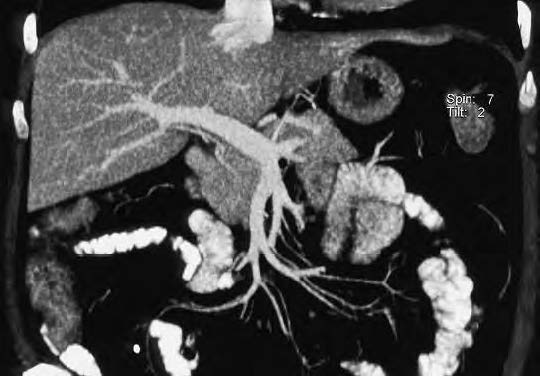
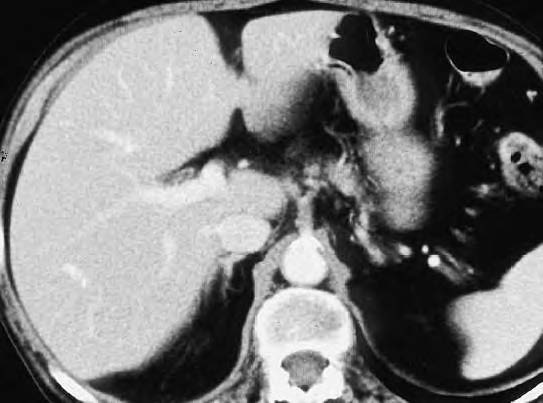
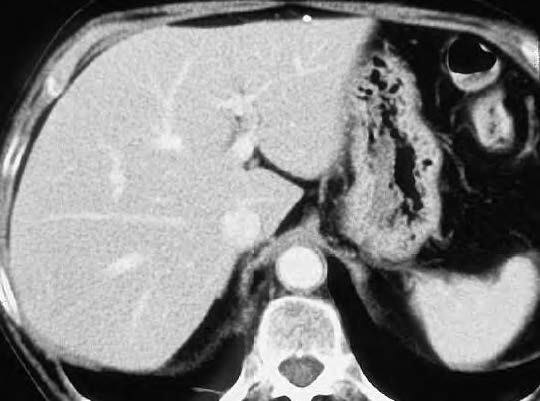
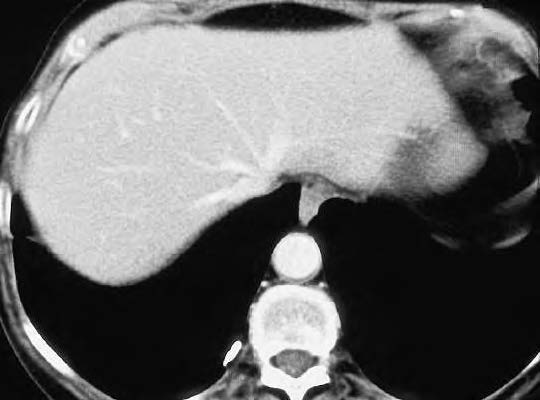
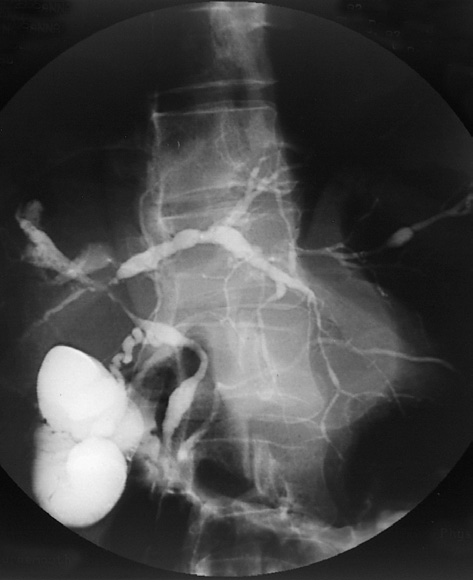
*Primary sclerosing cholangitis (PSC) is a chronic, progressive cholestatic liver disease of unknown etiology
characterized by inflammation and fibrosis of the intrahepatic and extrahepatic bile ducts, leading to multifocal
strictures and eventual biliary cirrhosis.Classification includes 3 subtypes: classic or large-duct PSC involving
both intrahepatic and extrahepatic ducts (approximately 90% of cases), small-duct PSC confined to the small
intrahepatic ducts (an estimated 5%), and PSC with autoimmune hepatitis (AIH) overlap (approximately 5%).*
*A strong association exists with inflammatory bowel disease (IBD), particularly ulcerative colitis, which occurs in
60% to 80% of PSC cases. Concurrent PSC and ulcerative colitis markedly increase colorectal cancer risk,
warranting surveillance colonoscopy every 1 to 2 years. PSC also carries substantial risk for hepatobiliary
malignancies, especially cholangiocarcinoma, with a lifetime incidence of 10% to 20% and an annual risk of 1% to
2%, in addition to increased gallbladder cancer risk.*
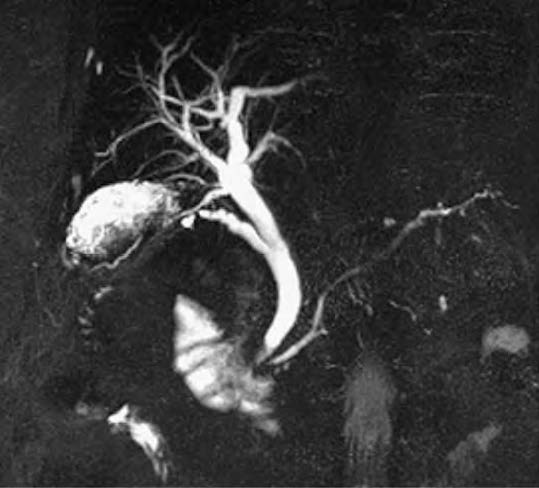
*Historically, diagnosis relied on cholangiographic findings obtained via endoscopic retrograde
cholangiopancreatography (ERCP); magnetic resonance cholangiopancreatography (MRCP) is now the preferred
noninvasive imaging modality. No medical therapy has demonstrated the ability to modify disease progression.
Liver transplantation provides the only curative treatment for advanced
disease, yet PSC recurs in up to one-third of transplant recipients.*
References